
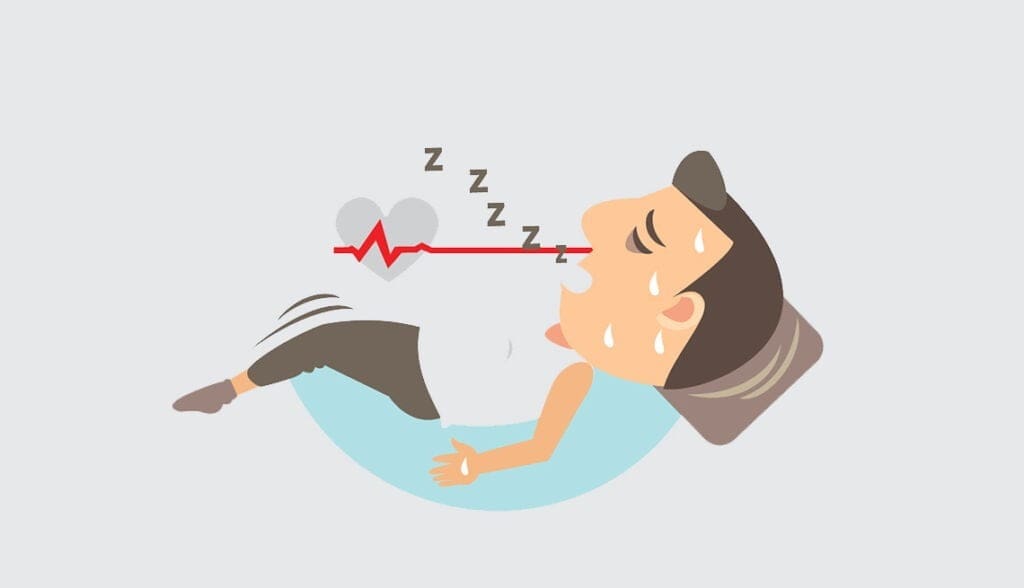
Casi mil millones de personas en todo el mundo padecen apnea del sueño, un trastorno problemático que empeora la calidad de vida. El tipo más común es la apnea del sueño obstructiva que, en general, se manifiesta con pausas repetidas en la respiración mientras se duerme. Este es el síntoma principal. No obstante, dos neurocientíficos de la Universidad del Noroeste (Estados Unidos) aseguran que la apnea no solo genera un mal dormir, sino que, de no ser diagnosticada y tratada a tiempo, puede provocar enfermedades cardiovasculares, hipertensión, insuficiencia cardíaca y accidentes cerebrovasculares. Los especialistas Erika Yamazaki y Ken A. Paller citados en el siguiente artículo destacan qué es lo que se debe saber sobre este trastorno, sus síntomas, consecuencias y cuál es el tratamiento ideal.
———————-
Nearly one billion people worldwide suffer from sleep apnea, a debilitating disorder that impairs quality of life. The most common type is obstructive sleep apnea, which is generally characterized by repeated pauses in breathing during sleep. This is the primary symptom. However, two neuroscientists from Northwestern University (United States) assert that sleep apnea not only leads to poor sleep but, if left undiagnosed and untreated, can cause cardiovascular disease, hypertension, heart failure, and stroke. Specialists Erika Yamazaki and Ken A. Paller, quoted in the following article, highlight what you should know about this disorder, its symptoms, consequences, and the ideal treatment.
 EN
EN  ES
ES