
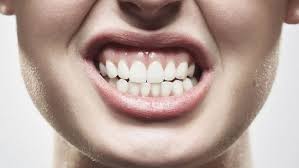
Apretar o rechinar los dientes no siempre indica estrés. Según el odontólogo Miguel de Pedro, presidente de la Sociedad Española de Disfunción Craneomandibular y Dolor Orofacial (Sedcydo, el bruxismo nocturno puede ser una respuesta del organismo ante la apnea obstructiva del sueño o el reflujo gastroesofágico, dos condiciones que, si se tratan, eliminan el hábito. El bruxismo afecta a entre el 10% y el 25% de la población argentina, con un notable aumento tras la pandemia debido al estrés. Estudios locales señalan que la prevalencia es alta en estudiantes universitarios, llegando al 27% en grupos específicos, y se considera un problema creciente que causa dolor mandibular, cefaleas y desgaste dental.
————————-
Clenching or grinding your teeth doesn’t always indicate stress. According to dentist Miguel de Pedro, president of the Spanish Society of Craniomandibular Dysfunction and Orofacial Pain (SEDCYDO), nocturnal bruxism can be the body’s response to obstructive sleep apnea or gastroesophageal reflux, two conditions that, if treated, eliminate the habit. Bruxism affects between 10% and 25% of the Argentine population, with a notable increase after the pandemic due to stress. Local studies indicate that the prevalence is high among university students, reaching 27% in specific groups, and it is considered a growing problem that causes jaw pain, headaches, and tooth wear.
Enlace/Link: https://www.lavoz.com.ar/ciudadanos/rechinar-dientes-noche-puede-senal-apnea-reflujo-solo-estres_0_OzaNypemeH.html
 ES
ES  EN
EN