
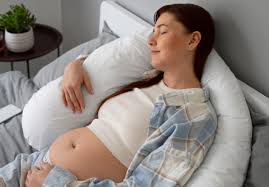
La apnea obstructiva del sueño (AOS) durante el embarazo se asocia con resultados maternos y perinatales adversos; sin embargo, el acceso oportuno a pruebas diagnósticas puede ser limitado. Por consiguiente, se utilizan cuestionarios de cribado, como el STOP-Bang, para realizar el triaje de las pacientes que requieren pruebas objetivas. La conclusión importante de este estudio: la evidencia actual no respalda el uso del STOP-Bang como herramienta de cribado independiente y fiable para la apnea obstructiva del sueño durante el embarazo. Su rendimiento diagnóstico parece ser variable y, por lo general, modesto; por ello, las pacientes embarazadas con sospecha de apnea obstructiva del sueño deben someterse a una evaluación objetiva del sueño.
—————————
Obstructive sleep apnea (OSA) during pregnancy is associated with adverse maternal and perinatal outcomes; however, timely access to diagnostic testing can be limited. Consequently, screening questionnaires, such as the STOP-Bang, are used to triage patients requiring objective testing. The key finding of this study is that current evidence does not support the use of the STOP-Bang as a reliable, independent screening tool for obstructive sleep apnea during pregnancy. Its diagnostic performance appears to be variable and generally modest; therefore, pregnant patients with suspected obstructive sleep apnea should undergo an objective sleep evaluation.
Enlace/Link: https://pubmed.ncbi.nlm.nih.gov/41871510/
 ES
ES  EN
EN